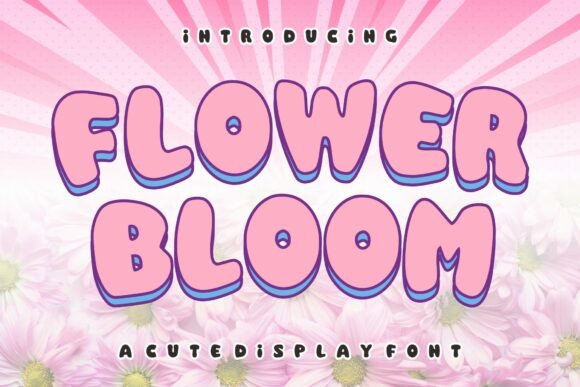
Flower Bloom: A Charming Font for Your Creative Projects
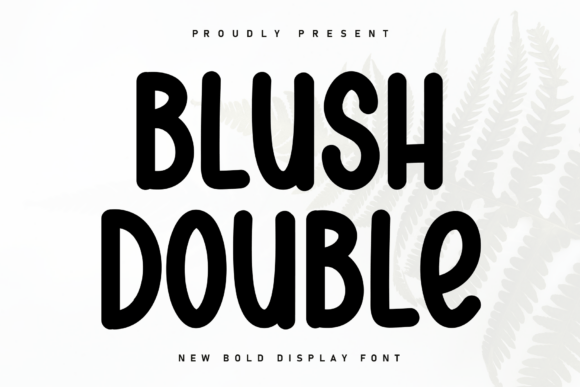
Flower Bloom is a delightful and playful display font that captures the essence of blooming flowers and the cheerful vibes of spring. Its bold, rounded bubble shapes give it a soft and friendly personality, making it perfect for designs that need a fun, sweet, and eye-catching touch. Whether you're designing for kids, creating branding materials, or crafting social media content, Flower Bloom's readability and whimsical aesthetic make it a versatile choice.
Understanding Flower Bloom: More Than Just a Pretty Font
Flower Bloom is not just about aesthetics; it's a functional and versatile font. It includes uppercase and lowercase letters, numbers, punctuation, and multilingual support. The bold and rounded bubble style makes it easy to read and suitable for a wide range of creative projects. However, to get the most out of this font, it's important to understand its strengths and potential pitfalls.
Avoiding Common Mistakes with Flower Bloom
One common mistake is using Flower Bloom in contexts where a more formal or traditional font would be more appropriate. While its playful nature is perfect for children's products, cute branding, and social media, it may not suit serious or professional documents. Always consider the tone and purpose of your project before choosing a font.
Another frequent error is overusing the font in a single design. Too much of a good thing can overwhelm the viewer and detract from the overall message. Use Flower Bloom sparingly and strategically to highlight key elements without overshadowing the rest of the design.
Practical Tips for Using Flower Bloom Effectively
To avoid these mistakes, start by clearly defining the purpose and audience of your design. If you're creating a children's book cover or a playful brand logo, Flower Bloom is an excellent choice. For a corporate report or a formal invitation, consider a more traditional font.
When using Flower Bloom, balance it with simpler, more neutral fonts. This combination enhances readability and maintains a professional yet approachable look. For example, pair Flower Bloom with a clean sans-serif font like Arial or Helvetica for a harmonious and visually appealing design.
Checking Before You Decide
Before downloading or purchasing Flower Bloom, ensure it meets your specific needs. Check the font's license and usage rights to avoid any legal issues. Additionally, test the font in different sizes and on various backgrounds to see how it performs. This step is crucial to ensure the font is legible and visually effective in your intended application.
Consider the technical aspects as well. Make sure the font supports all the characters you need, including special symbols and non-English languages if required. This is especially important for projects with a global audience or those requiring multilingual support.
Realistic Examples and Better Approaches
For instance, if you're designing a greeting card, use Flower Bloom for the main message, such as "Happy Birthday!" and a simpler font for the recipient's name and additional details. This approach keeps the design lively and engaging while maintaining clarity and professionalism.
In a packaging design, apply Flower Bloom to the product name and key features, but use a more straightforward font for nutritional information or instructions. This balance ensures that the essential information is clear and accessible, while the playful font adds a touch of charm and appeal.
Conclusion
Flower Bloom is a wonderful addition to any designer's toolkit, offering a unique blend of playfulness and readability. By understanding its best uses and avoiding common pitfalls, you can create designs that are both visually appealing and effective. Remember to consider the context, balance it with other fonts, and test thoroughly to ensure the best results. With these tips in mind, you'll be well on your way to creating stunning and impactful designs with Flower Bloom.